

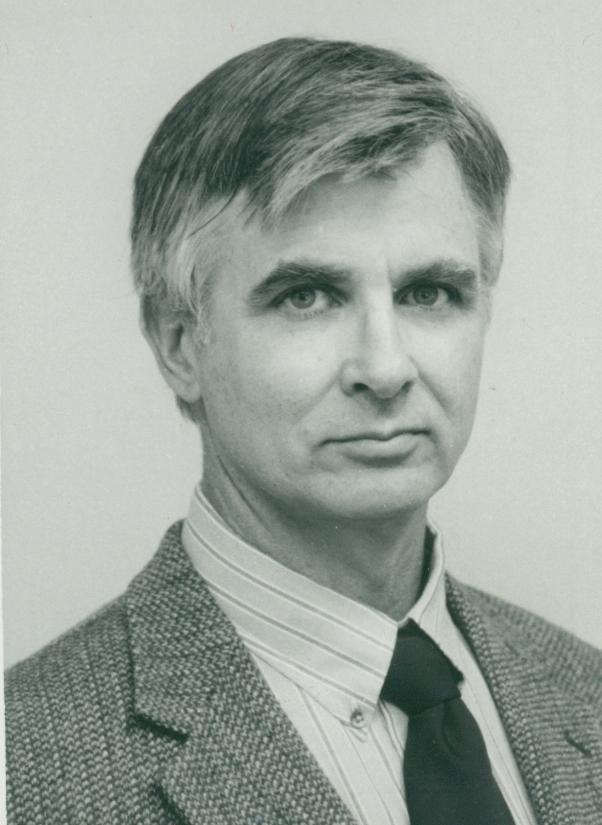
Loren Schweninger was born in Culver City, California, on January 7, 1941. Raised in California, Schweninger received both his Bachelor of Arts in 1962 and his Master of Arts in 1966 at the University of Colorado. He held several teaching positions during his education, and not long before completing his PhD, he joined the faculty and staff of the UNC Greensboro History Department in 1971. When the University was looking for a professor to teach the first African American History course, John Hope Franklin, a prominent American historian and author, recommended Schweninger, who had studied under Franklin at the University of Chicago.
Schweninger worked at UNCG for many decades, rising in the ranks of faculty members – starting as an instructor, working his way to assistant and then associate professor, and finally becoming a full professor in 1986. He wrote several books and articles on African American History, including Black Property Owners in the South, 1790-1915, Plantation Rebels: Runaway Slaves 1790-1860, James T. Rapier and Reconstruction, and The Autobiography of James P. Thomas. In 2000, Schweninger shared the Lincoln Prize with John Hope Franklin, for Runaway Slaves: Rebels on the Plantation.
His work also served as the foundation for the Digital Library on American Slavery, an online database that originated from Schweninger’s The Race and Slavery Petitions Project. The database consists of detailed legal documents relating to about 150,000 individuals that Schweninger collected over a period of almost twenty years. These documents include runaway slave notices, wills, legislative and court petitions naming thousands of enslaved and free African Americans as well as white enslavers.
Schweninger retired in 2012 and was named Professor Emeritus.
Entry written by AJ Bly, 2025-2026 Humanities at Work intern